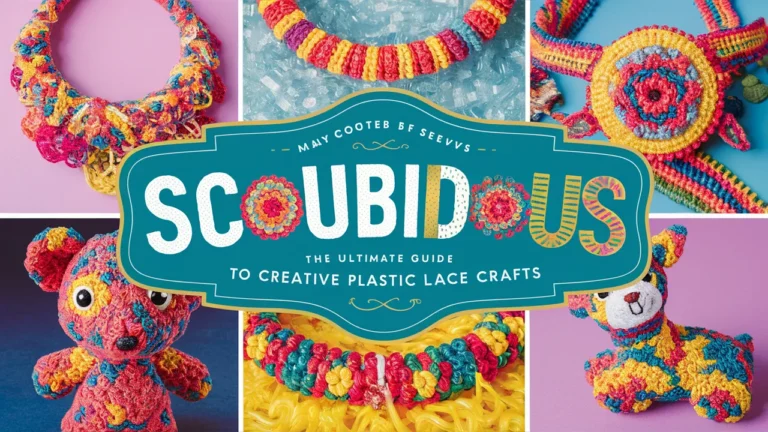
Introduction to Scoubidous
Scoubidous are one of those crafts that look simple at first glance but quickly pull you into a world of creativity, color, and endless possibilities. If you’ve ever twisted colorful plastic strings into keychains, bracelets, or quirky little figures, chances are you’ve already met scoubidous—maybe without even knowing their name. This craft has quietly stood the test of time, hopping from playgrounds to craft rooms and now finding renewed popularity online. Let’s untangle everything you need to know about scoubidous, step by step, in a way that’s easy, engaging, and actually fun to read.
What Are Scoubidous? A Simple Explanation
Scoubidous are crafts made by knotting or weaving colorful plastic laces into decorative and functional items. Think of them as the LEGO bricks of string crafts: simple pieces that, when combined creatively, turn into something surprisingly impressive. These plastic strings are flexible, durable, and come in every color imaginable, which makes them perfect for beginners and experts alike.
The Origin and History of Scoubidous
The story of scoubidous begins in France, where the craft gained massive popularity in the mid-20th century. The name itself is believed to be inspired by a popular French song, giving the craft a playful identity from the start. From there, scoubidous traveled across Europe and into the United States, evolving with each new culture that embraced them. Like a traveler collecting souvenirs, the craft picked up new names, patterns, and techniques along the way.
Why Scoubidous Became Popular Worldwide
Scoubidous didn’t become popular by accident. They’re affordable, easy to learn, and endlessly customizable. Kids love them because they’re colorful and hands-on, while adults appreciate their calming, almost meditative nature. In a world full of screens, scoubidous offer a refreshing return to tactile creativity, where your hands and imagination do the heavy lifting.
Different Names for Scoubidous Around the World
Scoubidous vs Scoobies vs Boondoggle
Depending on where you live, you might know scoubidous by another name. In the US, “boondoggle” is common, while “scoobies” is popular in the UK and Australia. Despite the different names, the craft itself remains the same—colorful plastic laces woven into creative designs.
Cultural Variations in Scoubidou Crafting
Each culture adds its own twist to scoubidous. Some regions focus on practical items like lanyards, while others lean toward decorative figures and jewelry. This diversity keeps the craft fresh and exciting, proving that scoubidous are more than just a passing trend.
Types of Scoubidous Strings and Materials
Plastic Laces Explained
The heart of scoubidous is the plastic lace. These laces are soft yet sturdy, making them easy to knot without snapping. They come in standard and extra-thick versions, each suited for different projects.
Sizes, Textures, and Finishes
From glittery finishes to glow-in-the-dark options, scoubidou strings are anything but boring. Texture and size can dramatically change the look and feel of a project, allowing crafters to experiment and personalize their creations.
Eco-Friendly and Modern Alternatives
As sustainability becomes more important, eco-friendly alternatives are emerging. Recycled plastics and biodegradable materials are slowly making their way into the scoubidou world, giving environmentally conscious crafters more options.
Basic Scoubidous Knots for Beginners
Square Knot (Box Stitch)
The square knot is the foundation of many scoubidous designs. It’s simple, sturdy, and perfect for beginners. Once mastered, it opens the door to countless patterns.
Spiral Stitch
The spiral stitch adds a twist—literally. This knot creates a coiled effect that looks complex but is surprisingly easy to learn.
Cobra Stitch
Popular in bracelets and keychains, the cobra stitch is all about layering and symmetry. It’s a favorite for its clean, professional look.
Tips for Learning Knots Faster
Practice is key, but consistency matters more. Start with two colors to clearly see each movement, and don’t rush. Like learning to ride a bike, it clicks suddenly—and then you’re off.
Advanced Scoubidous Designs
3D Scoubidou Shapes
Once you’re comfortable with basic knots, 3D designs take scoubidous to a whole new level. Cubes, balls, and even miniature sculptures are possible with patience and practice.
Animal and Character Designs
From frogs to cartoon-inspired figures, character scoubidous are where creativity truly shines. These designs often combine multiple techniques into one cohesive piece.
Layered and Color-Blended Patterns
Advanced crafters love experimenting with gradients and layered colors. The result is eye-catching, almost hypnotic designs that feel like wearable art.
Popular Scoubidous Projects
Keychains and Bracelets
These are classic for a reason. They’re quick to make, practical, and perfect for gifts or personal use.
Lanyards and Zipper Pulls
Scoubidous lanyards are durable and stylish, making them ideal for keys, ID cards, or backpacks.
Decorative Accessories and Gifts
With the right design, scoubidous can become thoughtful handmade gifts that feel personal and unique.
Scoubidous for Kids and Education
Improving Fine Motor Skills
Scoubidous are more than just fun; they’re educational. Knotting and weaving help children develop fine motor skills and hand-eye coordination.
Encouraging Creativity and Focus
In a classroom or at home, scoubidous encourage focus, patience, and creative problem-solving—all without feeling like “work.”
Scoubidous as a Hobby for Adults
Stress Relief Through Crafting
There’s something deeply relaxing about repetitive, creative motion. Scoubidous offer a simple escape from daily stress, one knot at a time.
Mindfulness and Creative Expression
Many adults find scoubidous to be a form of mindfulness. It’s just you, the strings, and the rhythm of creation.
How to Start Making Scoubidous at Home
Tools You Need
All you really need are plastic laces and scissors. Clips or key rings are optional but helpful.
Step-by-Step Beginner Setup
Start with a simple project, choose two contrasting colors, and follow a basic knot tutorial. Before you know it, you’ll be experimenting on your own.
Common Mistakes to Avoid
Tension and Alignment Issues
Pulling too tightly can warp your design, while loose knots make it flimsy. Balance is everything.
Color Selection Errors
Too many colors can overwhelm a design. Sometimes, less really is more.
SEO-Friendly Keyword-Rich Title Ideas Explained
Titles like “Scoubidous for Beginners,” “Creative Scoubidou Designs,” and “How to Make Scoubidous at Home” work well because they match what people actually search for. Using these keywords naturally throughout your content helps improve visibility without sounding forced.
Future Trends in Scoubidous Crafting
With social media driving DIY trends, scoubidous are enjoying a quiet comeback. Expect more tutorials, eco-friendly materials, and innovative designs in the years ahead.
Conclusion
Scoubidous are proof that creativity doesn’t need to be complicated or expensive. With just a few plastic strings and a bit of patience, you can create something colorful, functional, and uniquely yours. Whether you’re a beginner picking up your first knot or an experienced crafter exploring advanced designs, scoubidous offer endless opportunities to express yourself. They’re simple, satisfying, and surprisingly powerful—just like the best hobbies tend to be.