

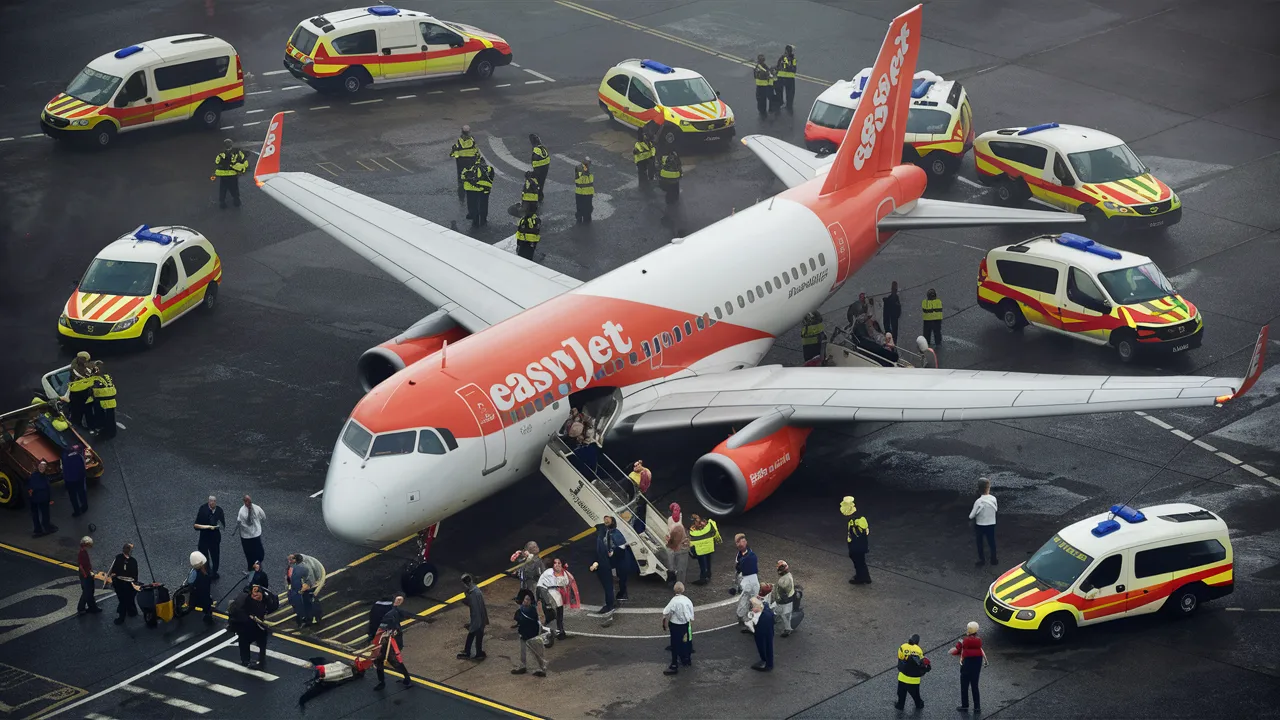
Introduction: Understanding the EasyJet Flight U2238 Emergency Landing Newcastle
The easyjet flight u2238 emergency landing newcastle incident quickly caught public attention due to its urgency and safety implications. When a commercial flight makes an unscheduled landing, people naturally worry. However, in aviation, such actions often reflect strong safety protocols, not danger.
This article breaks everything down clearly. You’ll learn what happened, why it happened, and what it means for passengers. More importantly, you’ll see how aviation systems are designed to protect lives at every step.
What Happened During the Incident?
The easyjet flight u2238 emergency landing newcastle involved a precautionary landing triggered by an onboard issue. While details may vary depending on reports, the key takeaway is this:
The aircraft landed safely without injuries.
That alone shows how effective modern aviation procedures are.
Timeline of Events
-
Flight U2238 departed normally
-
Crew detected a technical or safety concern
-
Pilots communicated with air traffic control
-
Emergency procedures were activated
-
Aircraft diverted to Newcastle
-
Safe landing completed
-
Passengers disembarked safely
Each step followed strict international aviation guidelines.
Why Do Emergency Landings Happen?
Emergency landings are not rare. They’re part of aviation safety systems. Pilots are trained to act early rather than risk escalation.
Mechanical Issues
Mechanical concerns are the most common cause. These include:
-
Engine irregularities
-
Hydraulic system warnings
-
Cabin pressure issues
-
Sensor malfunctions
Even minor warnings can trigger precautionary landings.
Weather Conditions
Sometimes weather plays a role:
-
Sudden storms
-
Strong crosswinds
-
Low visibility
-
Ice formation
Pilots prioritize safety over schedule.
Why This Case Matters in Aviation Safety
The easyjet flight u2238 emergency landing newcastle highlights an important truth:
Modern aviation is designed to prevent accidents, not react to them.
Emergency landings show:
-
Early risk detection
-
Immediate response systems
-
Strong coordination between crew and ground control
These are signs of safety, not failure.
Passenger Experience: What It Feels Like
For passengers, an emergency landing can feel stressful. However, most situations are controlled and calm.
Typical experience includes:
-
Announcement from the captain
-
Cabin crew preparing passengers
-
Safety instructions reviewed
-
Calm but focused environment
In most cases, passengers report:
“It was concerning, but handled professionally.”
Aviation Safety Systems That Protect You
Modern aircraft rely on multiple layers of safety.
Key systems include:
-
Redundant engines and controls
-
Advanced warning systems
-
Real-time monitoring
-
Automated alerts
Pilots also undergo rigorous training, including:
-
Simulator emergency drills
-
Scenario-based training
-
Continuous certification updates
Emergency Landing vs Normal Landing
| Feature | Emergency Landing | Normal Landing |
|---|---|---|
| Purpose | Safety precaution | Scheduled arrival |
| Speed of Decision | Immediate | Planned |
| Ground Support | High alert | Standard |
| Passenger Preparation | Safety briefing | Routine |
| Risk Level | Managed | Minimal |
This comparison shows that emergency landings are controlled, not chaotic.
Benefits of Emergency Protocols
Emergency procedures exist to reduce risk early.
Key benefits include:
-
Prevent escalation of technical issues
-
Protect passengers and crew
-
Ensure rapid response
-
Maintain aircraft integrity
Drawbacks or Limitations
While effective, emergency landings do have some downsides:
-
Flight delays and cancellations
-
Passenger anxiety
-
Operational costs for airlines
-
Temporary disruption
However, these are minor compared to safety outcomes.
Step-by-Step Emergency Response Process
When an issue arises, pilots follow strict steps:
-
Identify the issue
-
Assess severity
-
Communicate with control tower
-
Decide whether diversion is needed
-
Prepare cabin crew and passengers
-
Initiate emergency landing procedures
-
Land at nearest safe airport
Each step is standardized globally.
Common Mistakes People Make About Emergency Landings
Many misconceptions exist about incidents like the easyjet flight u2238 emergency landing newcastle.
Mistake 1: Assuming Immediate Danger
Not all emergency landings mean danger. Many are precautionary.
Mistake 2: Thinking Something “Went Wrong”
Often, systems worked exactly as designed.
Mistake 3: Believing Flights Are Unsafe
Air travel remains one of the safest transport methods.
Pro Tips and Expert Insights
Aviation experts often emphasize:
-
Early action prevents major incidents
-
Pilots are trained to “overreact” for safety
-
Aircraft systems are designed with backups
If you’re flying, remember:
Real-World Example Insight
Incidents like the easyjet flight u2238 emergency landing newcastle happen worldwide. In most cases:
-
No injuries occur
-
Aircraft is inspected and cleared
-
Passengers continue travel later
This consistency proves the reliability of aviation systems.
Frequently Asked Questions (FAQs)
1. What caused the EasyJet flight U2238 emergency landing in Newcastle?
The exact cause may involve a technical alert or precautionary issue. Most such landings are triggered by safety protocols.
2. Was anyone injured during the incident?
No major injuries were reported. The landing was safe.
3. Are emergency landings dangerous?
Not usually. They are controlled procedures designed to prevent risk.
4. Do pilots train for these situations?
Yes. Pilots undergo extensive simulator training for emergency scenarios.
5. Will passengers get compensation?
It depends on airline policy and regulations. Compensation may apply in some cases.
6. How common are emergency landings?
They are uncommon but not rare. Most are precautionary and handled safely.
Conclusion: What You Should Take Away
The easyjet flight u2238 emergency landing newcastle demonstrates how aviation safety truly works. Instead of signaling danger, it shows preparedness, professionalism, and precision.


