

Introduction: What Happened and Why It Matters
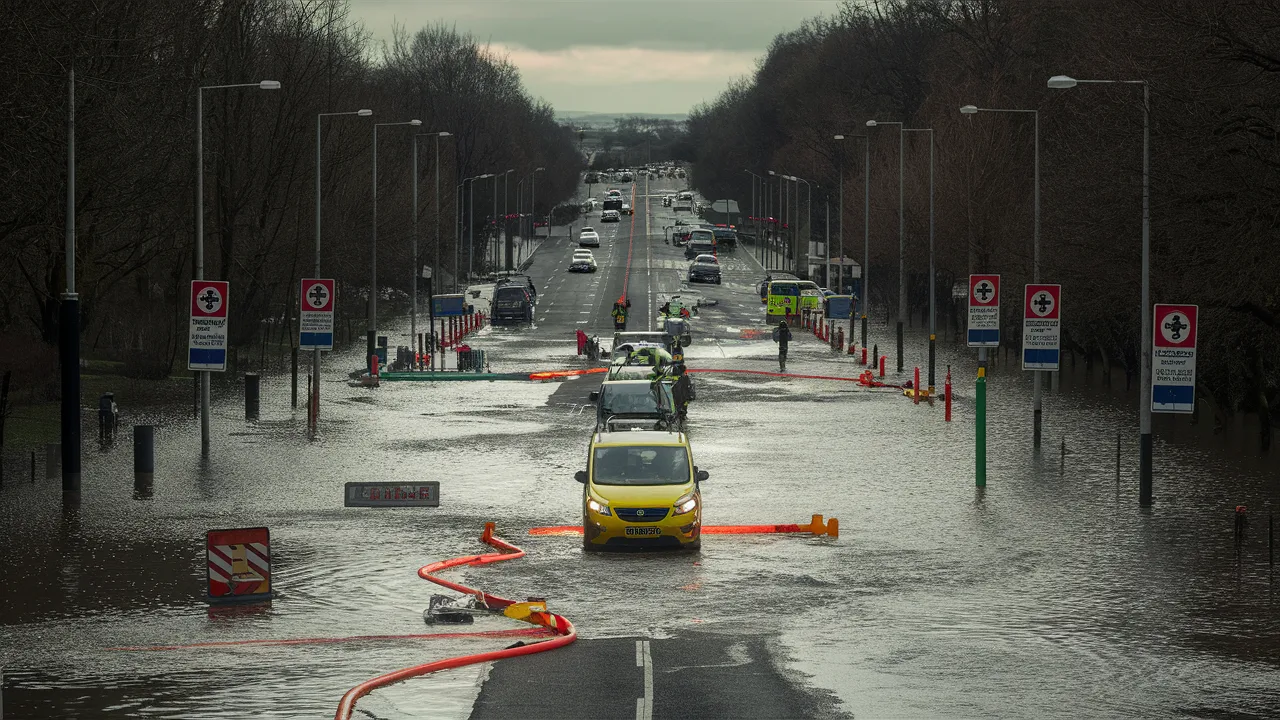
The glasgow water main break shettleston road incident disrupted daily life, traffic, and essential water services in one of the city’s busy areas. When a major water pipe bursts, the effects spread quickly. Roads flood, homes lose supply, and repairs become urgent.
This article breaks everything down in simple terms. You’ll understand what caused the break, how authorities respond, and what it means for residents. More importantly, you’ll learn practical steps to stay safe and prepared.
What Is a Water Main Break?
A water main break happens when a large underground pipe cracks or bursts. These pipes carry clean water to homes and businesses.
When they fail, the result is often:
-
Sudden flooding
-
Water pressure loss
-
Road damage
-
Service disruption
In the glasgow water main break shettleston road, the issue likely involved a high-pressure pipeline. These pipes release large volumes of water in minutes.
Timeline of the Shettleston Road Incident
Understanding the sequence helps explain how quickly things escalated.
Initial Failure
-
Underground pipe weakens
-
Pressure builds inside the system
-
Pipe suddenly ruptures
Immediate Impact
-
Water floods the road surface
-
Traffic is halted or diverted
-
Nearby properties may be affected
Emergency Response
-
Water supply is shut off
-
Repair crews are dispatched
-
Safety zones are created
Repair Phase
-
Damaged section is excavated
-
Pipe is replaced or sealed
-
System pressure is restored
Recovery
-
Roads are repaired
-
Services return to normal
-
Cleanup operations begin
Why Do Water Main Breaks Happen?
The glasgow water main break shettleston road likely resulted from common infrastructure issues. These systems are complex and often decades old.
1. Aging Infrastructure
Older pipes weaken over time. Materials like cast iron can corrode or crack.
2. Pressure Fluctuations
Sudden changes in water pressure stress pipes. Over time, this leads to failure.
3. Ground Movement
Shifts in soil or construction activity can damage underground lines.
4. Temperature Changes
Cold weather causes pipes to contract. Then expansion weakens them.
5. Corrosion
Chemical reactions inside pipes reduce strength and durability.
Why This Incident Matters for Residents
The glasgow water main break shettleston road is more than a local inconvenience. It highlights deeper infrastructure challenges.
Key Impacts
-
Temporary loss of water supply
-
Traffic congestion and delays
-
Risk of property damage
-
Disruption to businesses
Real-World Effects on the Community
Residents often experience:
-
Low or no water pressure
-
Discolored water after repairs
-
Delays in commuting
-
Noise from repair work
Businesses may face:
-
Loss of customers
-
Operational downtime
-
Supply interruptions
These effects show how critical water systems are.
Emergency Repairs: How Authorities Respond
Water authorities follow a structured process to fix breaks quickly.
Step-by-Step Repair Process
-
Locate the damaged pipe
-
Shut off water supply
-
Drain affected section
-
Dig excavation trench
-
Repair or replace pipe
-
Test system pressure
-
Restore water service
Comparison: Minor Leak vs Major Water Main Break
| Feature | Minor Leak | Major Water Main Break |
|---|---|---|
| Water Flow | Slow | High volume |
| Damage Level | Low | Severe |
| Repair Time | Short | Extended |
| Traffic Impact | Minimal | Significant |
| Public Risk | Low | Moderate |
This comparison shows why major breaks demand urgent action.
Benefits of Quick Emergency Response
Despite disruption, rapid action provides clear benefits:
-
Prevents further infrastructure damage
-
Reduces flooding risks
-
Protects nearby buildings
-
Restores water faster
Drawbacks and Limitations
However, there are unavoidable challenges:
-
Temporary water outages
-
Road closures and diversions
-
Noise and disruption
-
Repair costs
These are necessary trade-offs for restoring safety.
Step-by-Step Guide: What Residents Should Do
If you’re affected by a water main break, follow these steps:
1. Store Water Immediately
Fill containers for drinking and basic use.
2. Avoid Flooded Areas
Standing water may hide hazards like open drains.
3. Check Official Updates
Stay informed about repair timelines.
4. Run Taps After Restoration
Flush pipes to clear debris or discoloration.
5. Inspect Your Property
Look for leaks or water damage.
Common Mistakes People Make
During incidents like the glasgow water main break shettleston road, people often make avoidable errors.
Mistake 1: Ignoring Safety Warnings
Flooded streets can be dangerous. Always follow instructions.
Mistake 2: Drinking Discolored Water
Wait until water runs clear before use.
Mistake 3: Delaying Preparation
Act early when outages begin.
Pro Tips and Advanced Insights
Experts recommend:
-
Keeping emergency water stored at home
-
Monitoring pressure changes as early warning signs
-
Installing basic water shut-off knowledge for homes
Long-Term Infrastructure Challenges
The glasgow water main break shettleston road also raises bigger concerns.
Aging Systems
Many cities rely on old pipelines. Upgrades are expensive but necessary.
Increasing Demand
Urban growth puts more pressure on water systems.
Climate Impact
Extreme weather accelerates wear and tear.
Preventive Measures Authorities Can Take
To reduce future incidents:
-
Replace aging pipes
-
Monitor pressure systems
-
Use smart sensors for early detection
-
Improve maintenance schedules
These steps improve long-term reliability.
Real Example Insight
In similar urban cases:
-
Repairs typically take 6–24 hours
-
Full road restoration may take days
-
Water quality normalizes after flushing
This pattern likely applies to the glasgow water main break shettleston road as well.
FAQs About Glasgow Water Main Break Shettleston Road
1. What caused the Glasgow water main break on Shettleston Road?
It was likely due to aging pipes, pressure stress, or ground movement.
2. How long do repairs usually take?
Most repairs take several hours, but full recovery may take longer.
3. Is the water safe after restoration?
Yes, but it’s best to run taps until water is clear.
4. Can water main breaks be prevented?
Not entirely, but maintenance and upgrades reduce risk.
5. Who pays for the damage?
Responsibility depends on local regulations and circumstances.
Conclusion: Key Takeaways and What to Do Next
The glasgow water main break shettleston road highlights how vital water infrastructure is to daily life. While disruptive, these incidents show the importance of rapid response and system maintenance.
Final Action Steps
-
Stay informed during outages
-
Prepare emergency water supplies
-
Follow safety guidance
-
Report unusual water issues early


